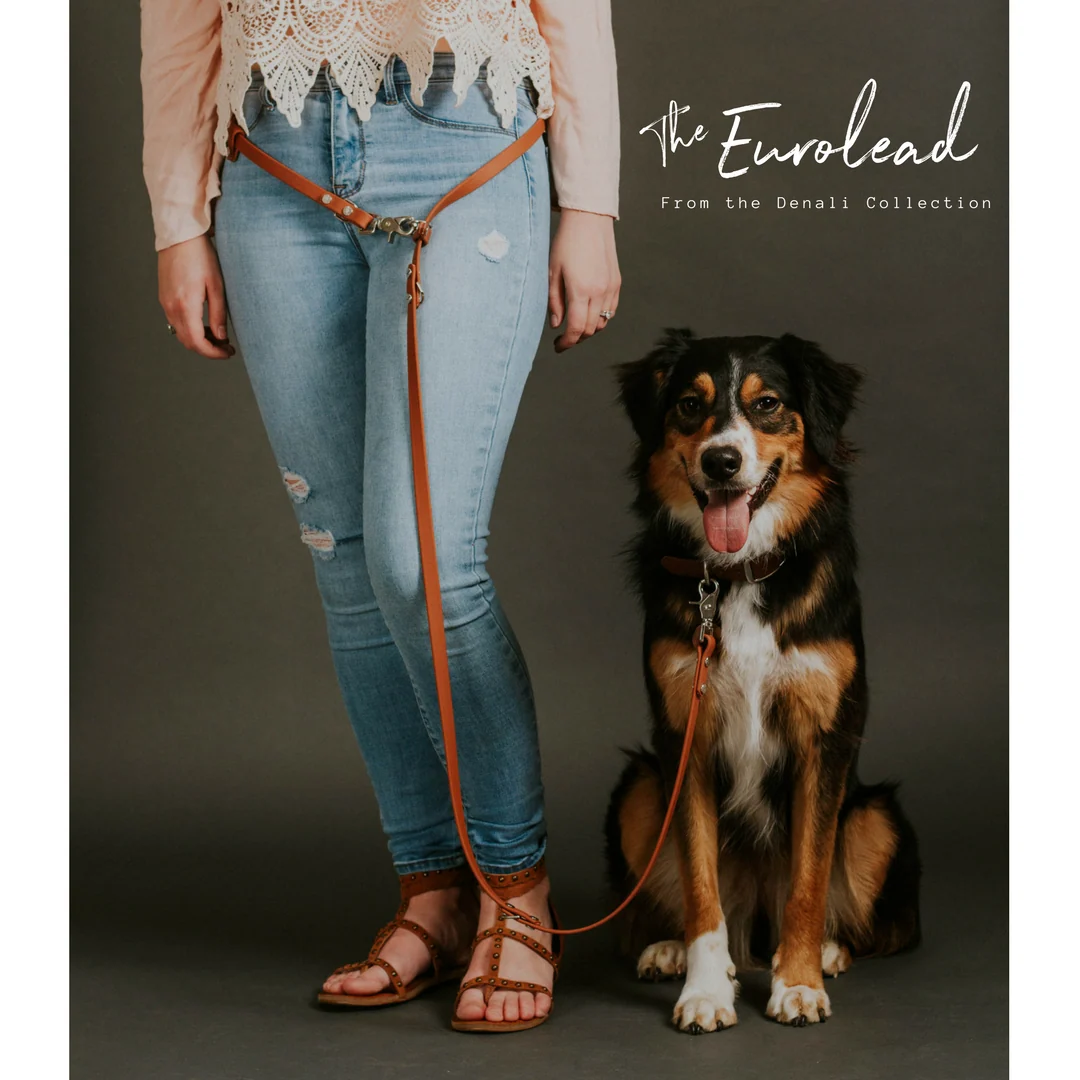
Everyday gear
Pick a leash for the walk you actually take
A practical way to compare shorter city leads, everyday lengths and specialist training lines.
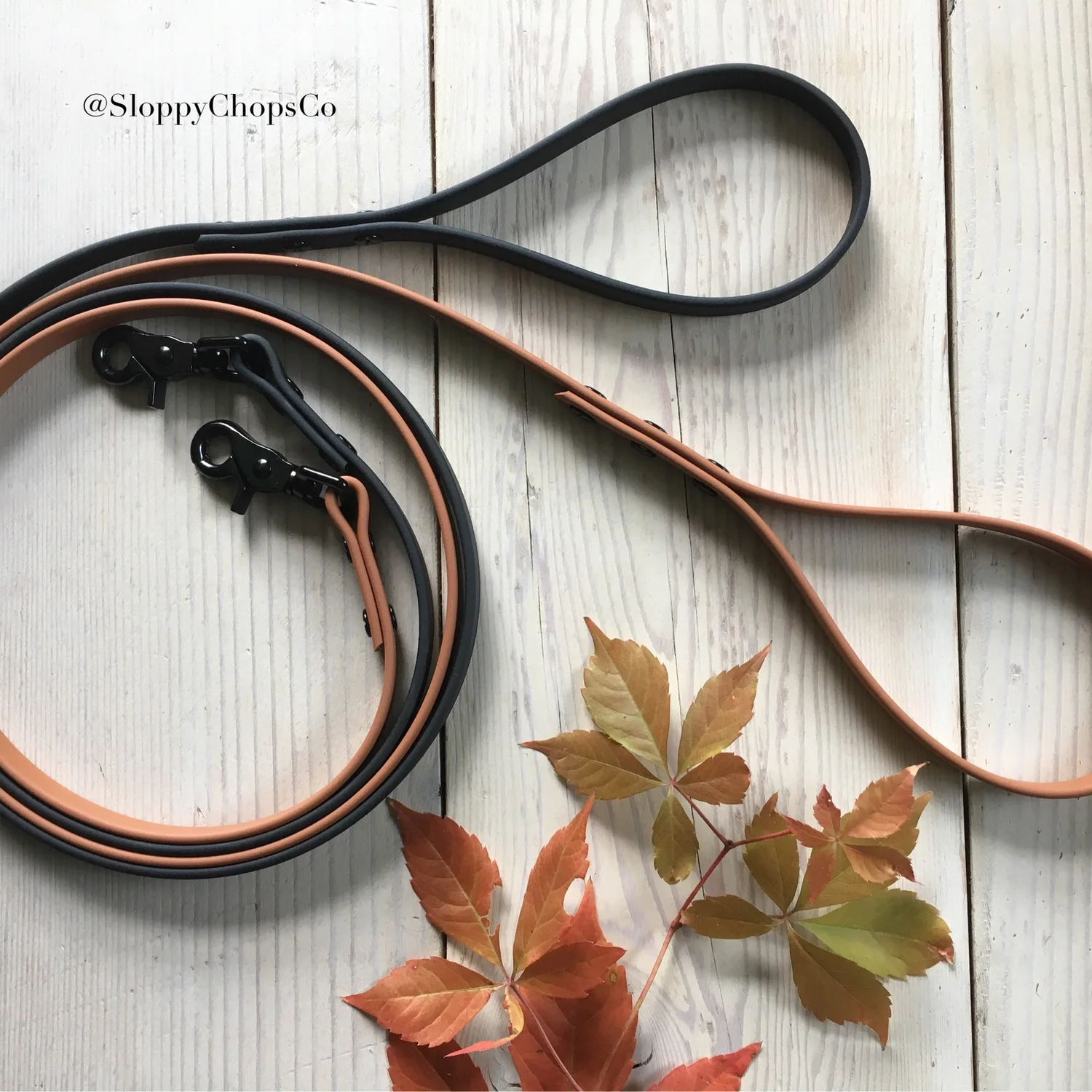
Start with the crowded stretch
Think your way from the front door to the widest part of your usual walk. You may cross a road, wait with another dog at a gate, then spend twenty minutes on a quiet path. Pick a leash that works at the road and the gate before choosing for the wide-open part. A long, loose loop can be awkward when you need to reach the dog quickly or pass someone on the same narrow pavement.
Compare four and six feet in your hand
With a fixed lead, the listed length is easy to understand. What matters after that is the slack you have to hold. On a quiet path, a six-foot lead can leave useful room to sniff. A shorter lead may be simpler to manage around cars, patios and bus stops. Try a short walk close to home and notice whether you spend most of it folding the leash back into your palm or wishing for a little more reach.
Pay attention to the snap
The snap spends the whole walk at the dog’s end. A clip that feels small to you can be a substantial weight on a light collar. Open it with the gloves you normally wear and check how it closes on the ring. Around sand and grit, make sure the spring still returns cleanly. A handle accessory or spare bag is useful only if it leaves enough room to take a firm grip where you normally hold the line.
Match the posted maximum
Park rules can settle the length question before you even get in the car. Sleeping Bear Dunes National Lakeshore uses a six-foot maximum for pets where they are allowed. A training line left coiled in your hand is a poor substitute for bringing a short fixed leash you can use for the entire route. Check posted notes for each branch of a trail, especially near the shore and during nesting season.
Keep the second leash for a specific job
If your daily lead already works on the street, think about the gap you are trying to fill. A convertible lead makes sense if you regularly switch between modes on quiet walks. A long line belongs to sessions where extra distance is both useful and permitted. A second fixed lead can earn its place simply by staying dry in the car while the first one is covered with sand.